为什么现在所有事物都显得更加丑陋? --- Why is everything uglier now? - by mymind - The Mind Palace
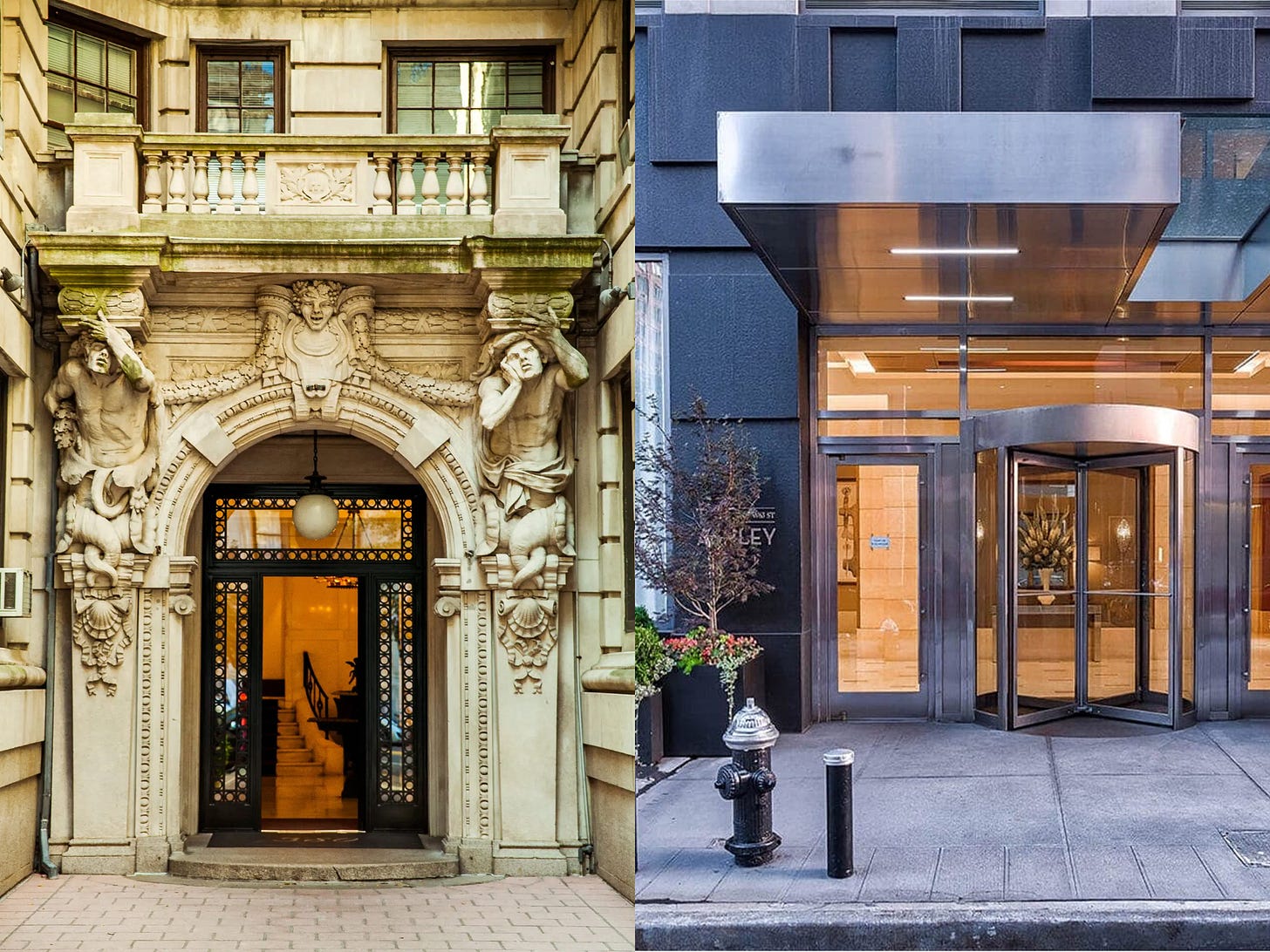
I live in New York, where there’s so much historic architectural beauty you can become numb to it. Walk the Upper West Side and you’ll see everything from the classical Ansonia, to the Apthorp in its grand Renaissance style, to Romanesque Revival churches, to fantastic art deco doorways and windows on every other building.
All of this is juxtaposed against modern skyscrapers. Glass, steel, straight lines, stacked boxes. Zero ornament, zero soul. It’s a constant reminder of how much our priorities have changed in contemporary society. Not just in New York, but everywhere in the world. Not just with architecture, but everything.
What happened?
The Chrysler building vs. the “ultra-luxury” high-rise at 432 Park Ave
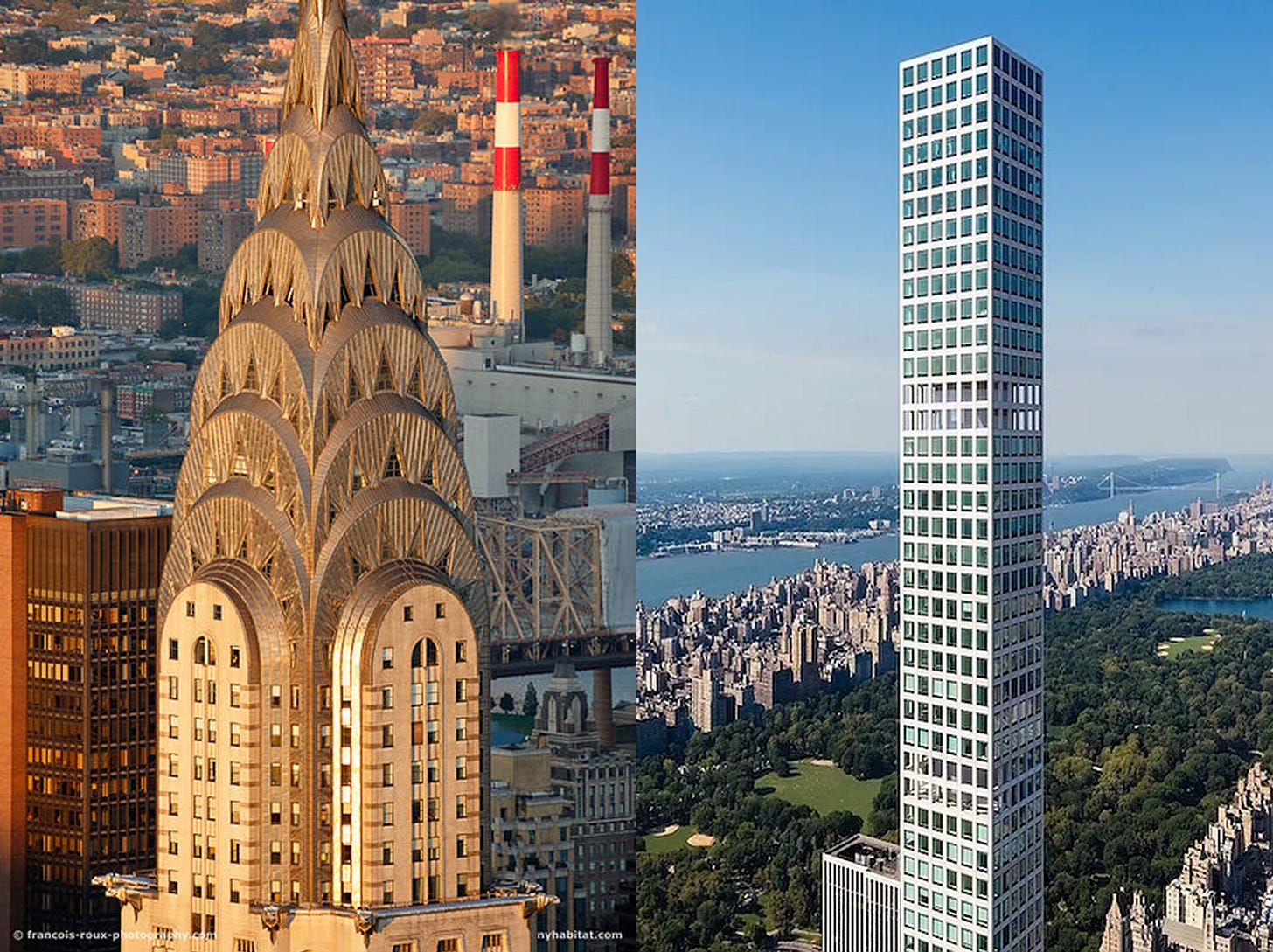
Some of it is simply trends and modernization. The Industrial Revolution in the 1800s meant design wasn’t just sculpting stone or wood anymore, we could build with metal. So we started equating steel and structural designs with being “modern.” Ornamentation and craftsmanship were suddenly outdated, unfashionable.
Functionality became the priority, teeing up Austrian architect Alfred Loos in the early 1900s for his controversial essay “Ornament and Crime,” in which he said ornament (details designed purely for the sake of beauty) were a waste and culturally backward, even morally suspect.
“The evolution of culture is synonymous with the removal of ornament from objects of daily use… Lack of ornament is a sign of spiritual strength.”
- Architect Alfred Loos
Then came modernism and following design movements that prioritized “form follows function.” Trace the 1900s and everything gets flatter. Cleaner. Streamlined. Aluminum, stainless steel, fiberglass, plastic. Leading us right up to today where we’re still recovering from minimalism.
And yet beauty wasn’t totally lost on us back then. When the subways in New York were first constructed in 1904, beauty was actually written into the contract:
“All parts of the structure where exposed to public sight shall therefore be designed, constructed, and maintained with a view to the beauty of their appearance, as well as to their efficiency. ” - the original I.R.T. subway contract
Beauty AND efficiency were mandatory. One wasn’t compromised for the other. This is why our famously beautiful tiled stations exist.
But times have continued changing.
Doesn’t that just sum it all up.
The abandoned City Hall station in Brooklyn with its tiled arches and Tiffany glass windows vs. the new Penn Station design.
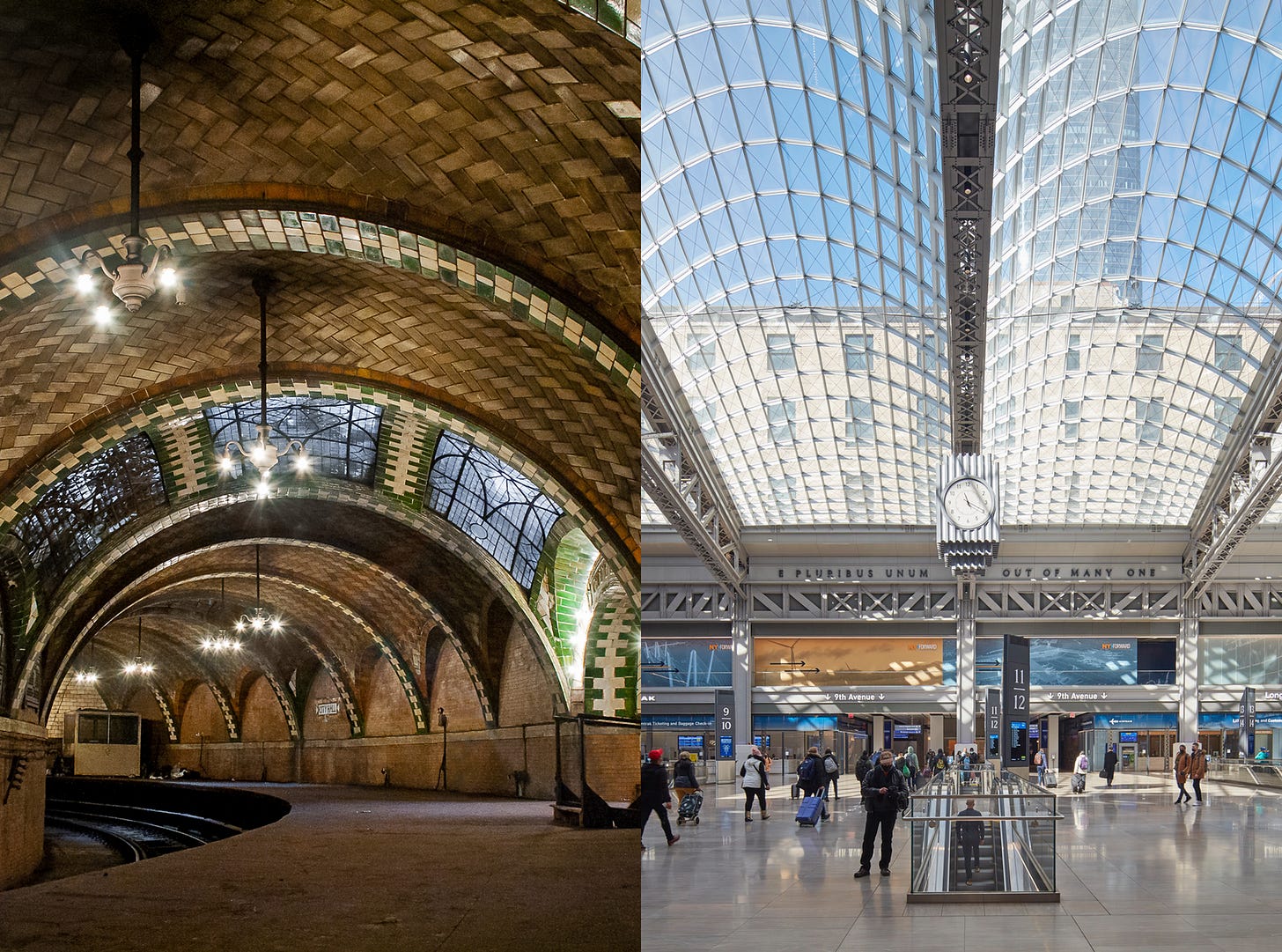
To see what a society values, look at what they create. Today, it seems efficiency and convenience is prioritized over beauty. We see evidence every day of this in New York, and probably every city in the world.
It’s harder to find a human touch in our designs, the thought and care for the details that aren’t necessarily required for their practical use. Now, we just want it to get the job done.
An ornate lamp in Central Park vs. the modern LED street lamps everywhere today.
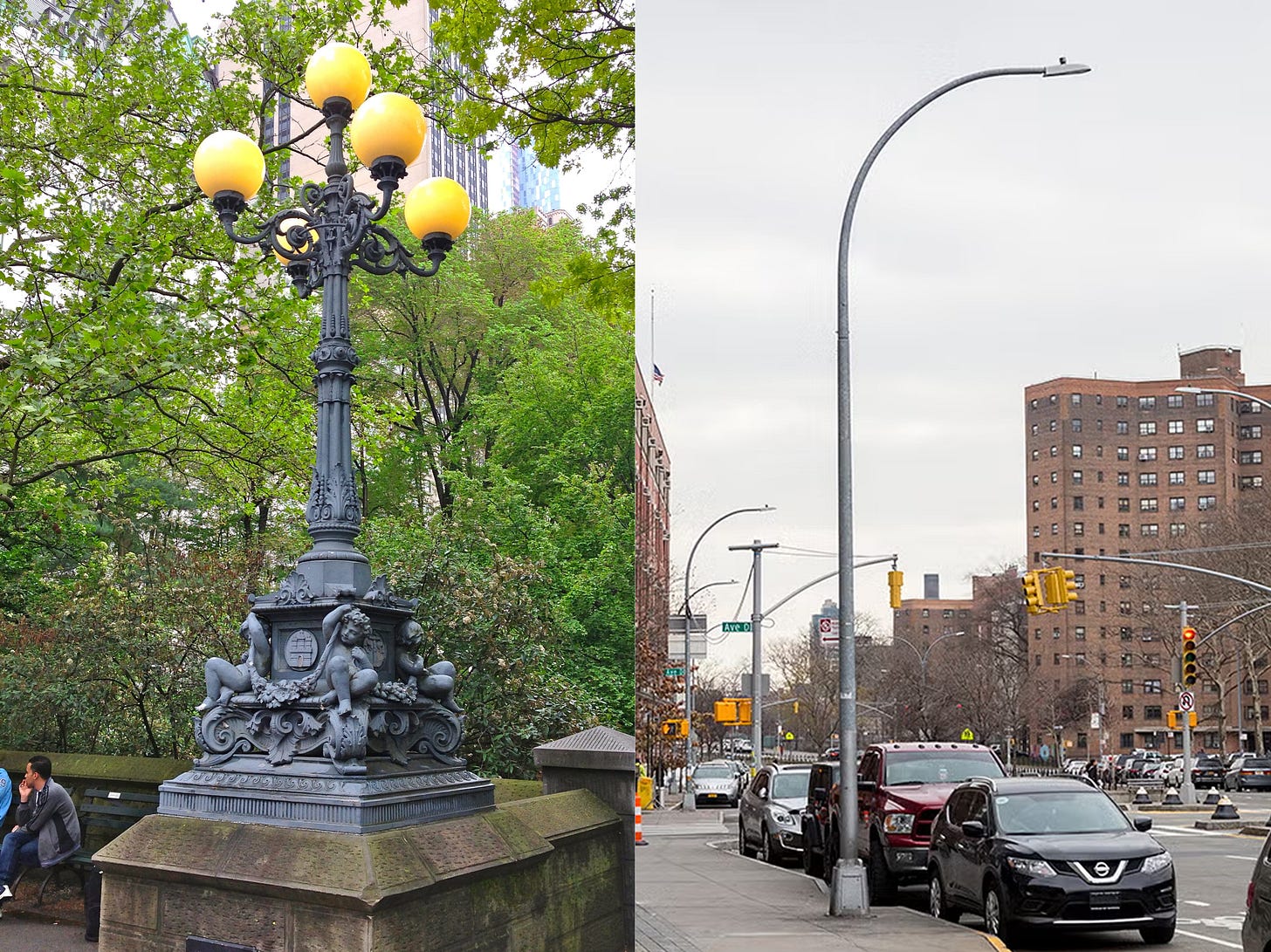
The Hendrik Hudson building in Morningside Heights vs. The Ashley, a luxury high-rise apartment building in the Upper West Side
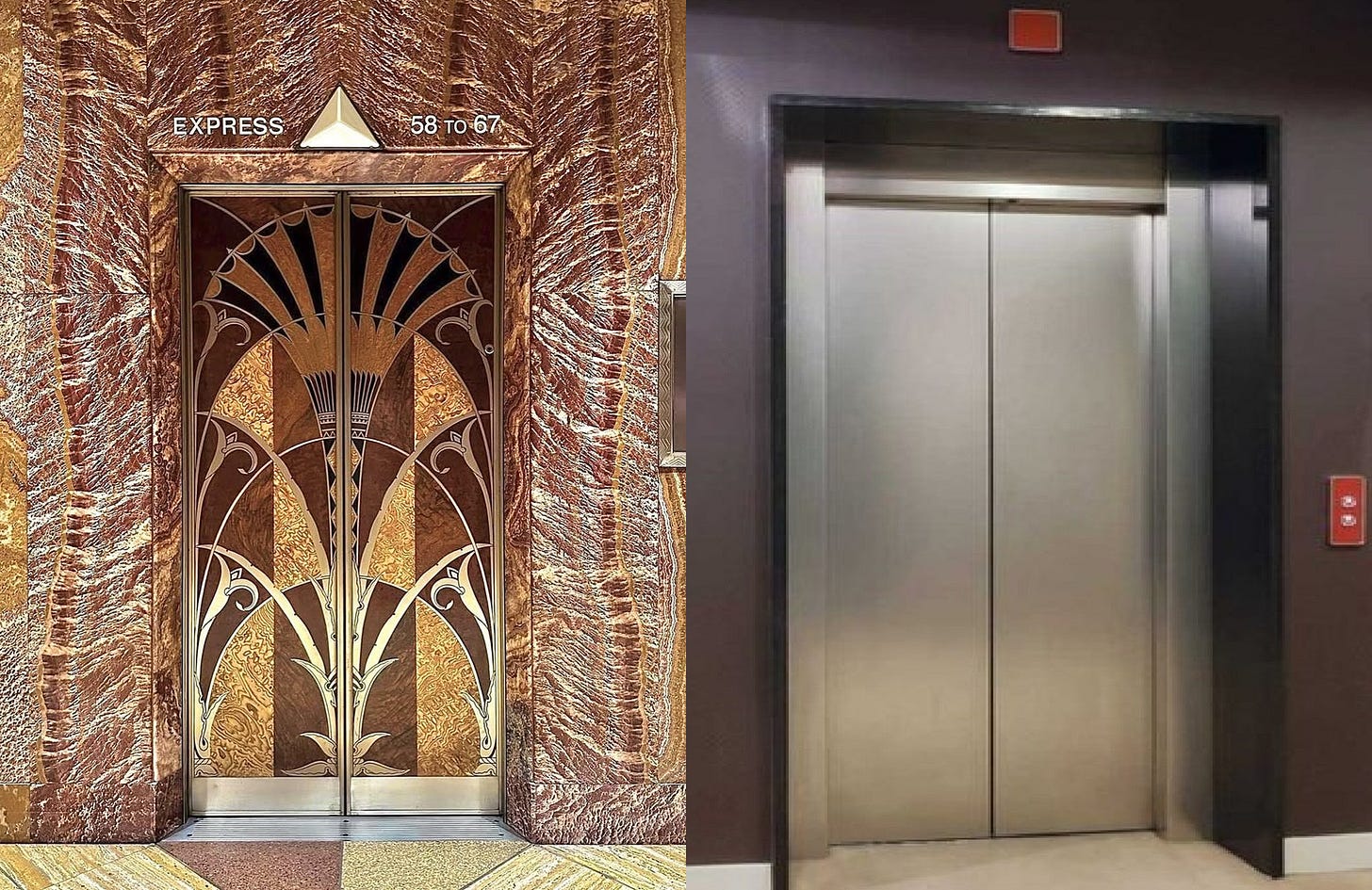
The Art Deco elevator doors of the Chrysler Building vs every other elevator everywhere
And I don’t mean just architecture or luxury designs. Look at the everyday objects we use.
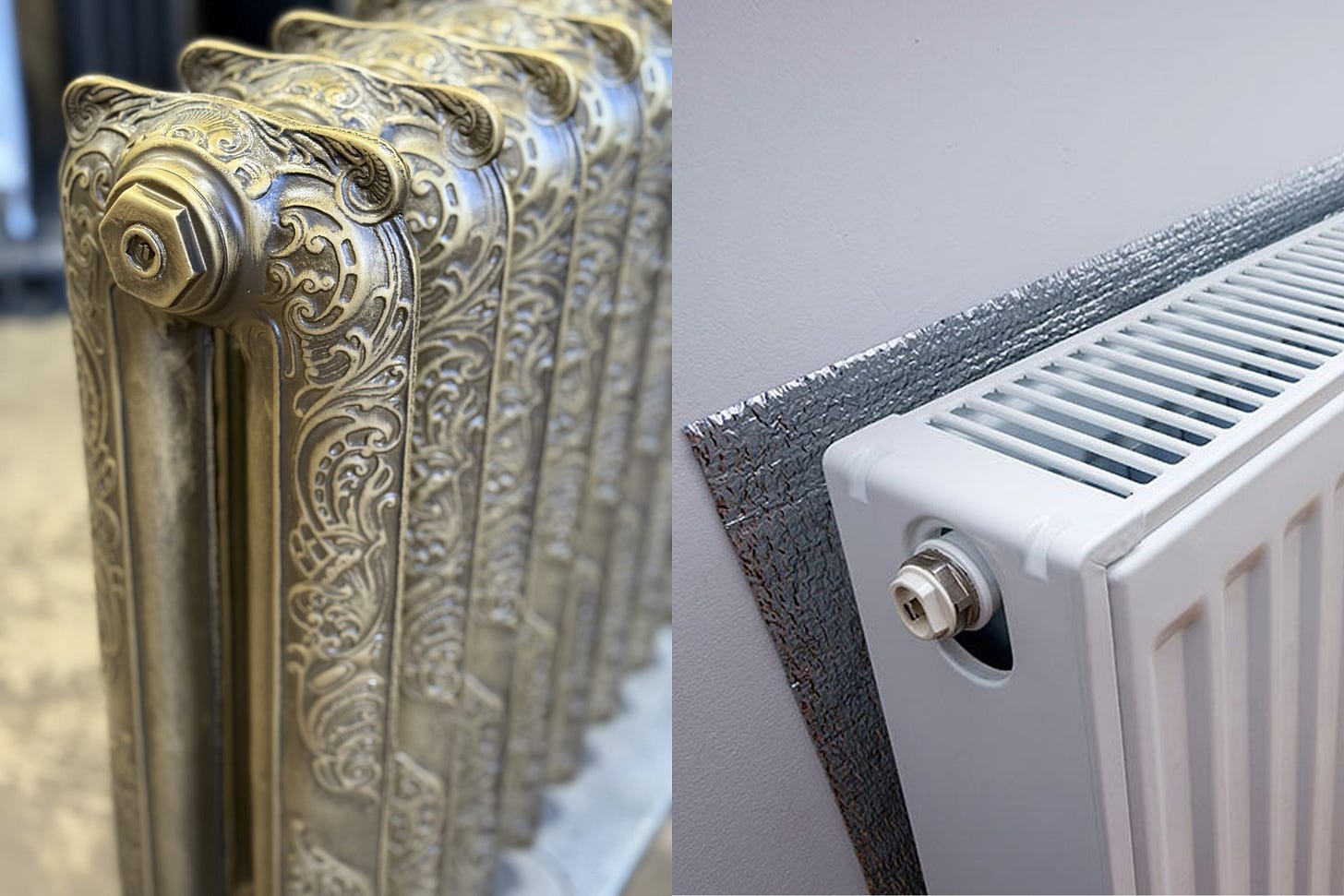
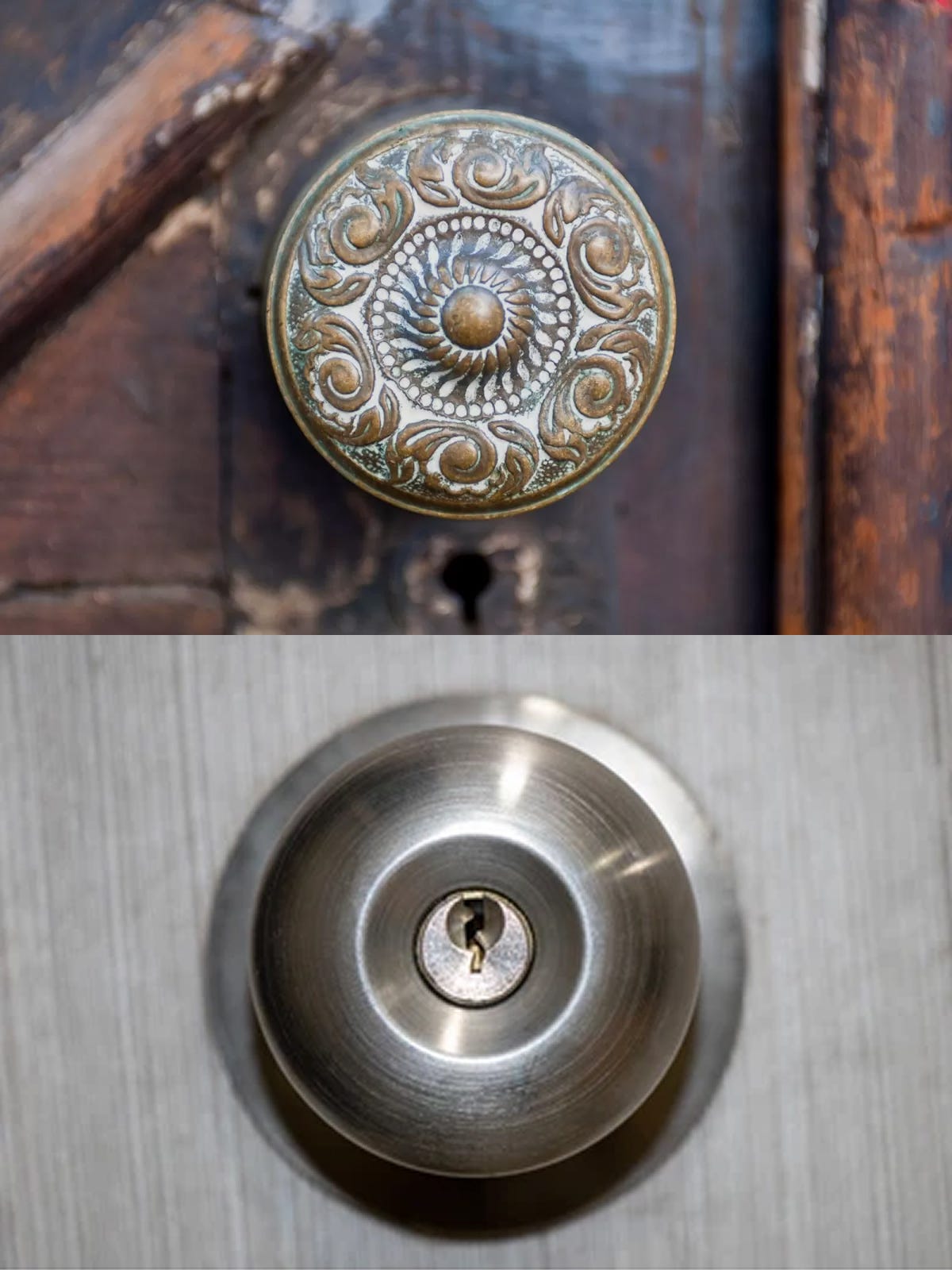
There was a time when refrigerators were designed with lovely colors and curved edges. Now they’re big metal boxes. Or look at telephones, once quirky and full of personality. Now flat squares. Look at toasters. Drinking fountains. Cars. Hand railings. Radiators. Trash cans. Even sewer caps.
The difference is design that celebrates humanity and soul vs. design intended to be produced as cheaply and efficiently (ie. profitably) as possible.
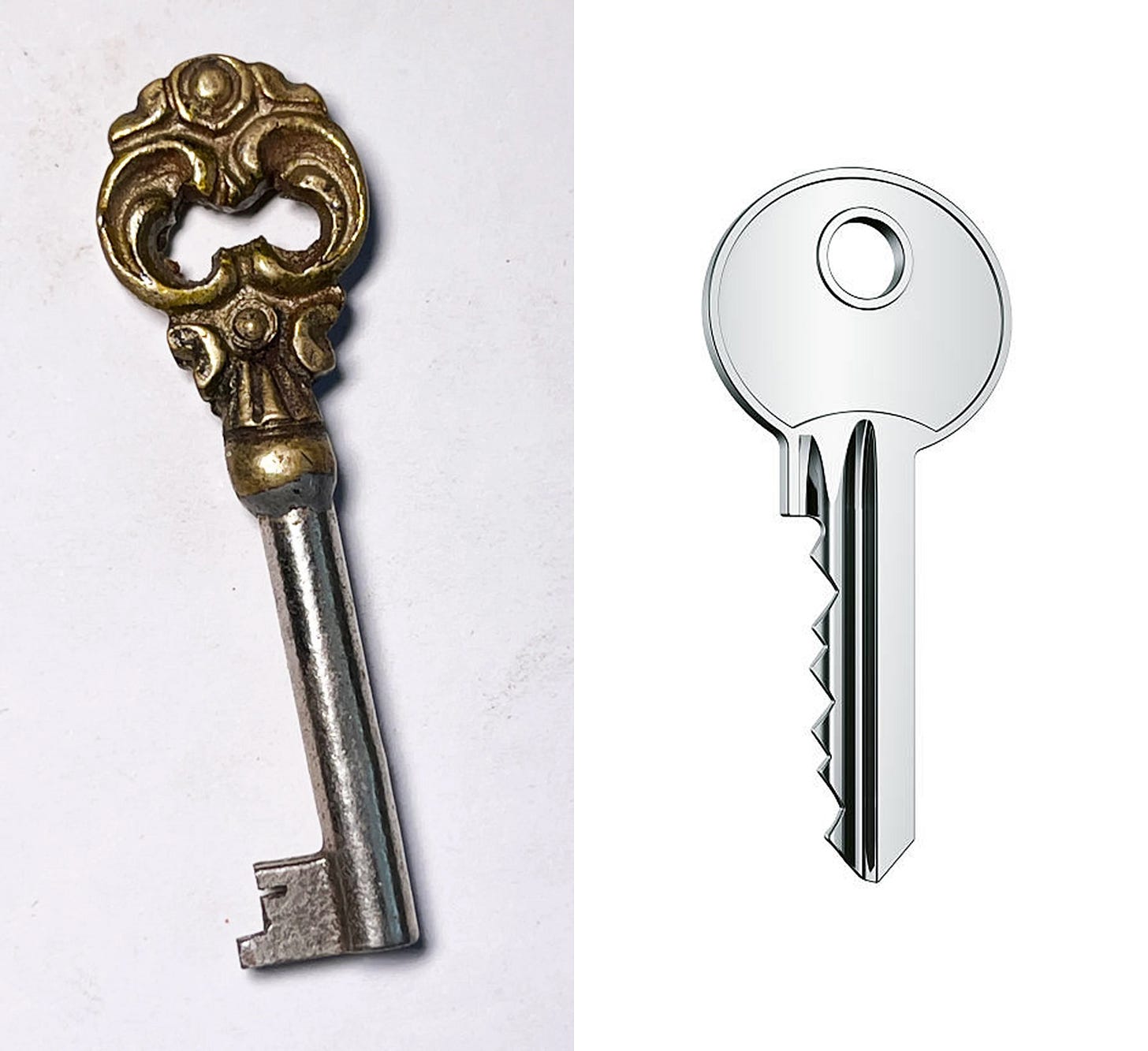
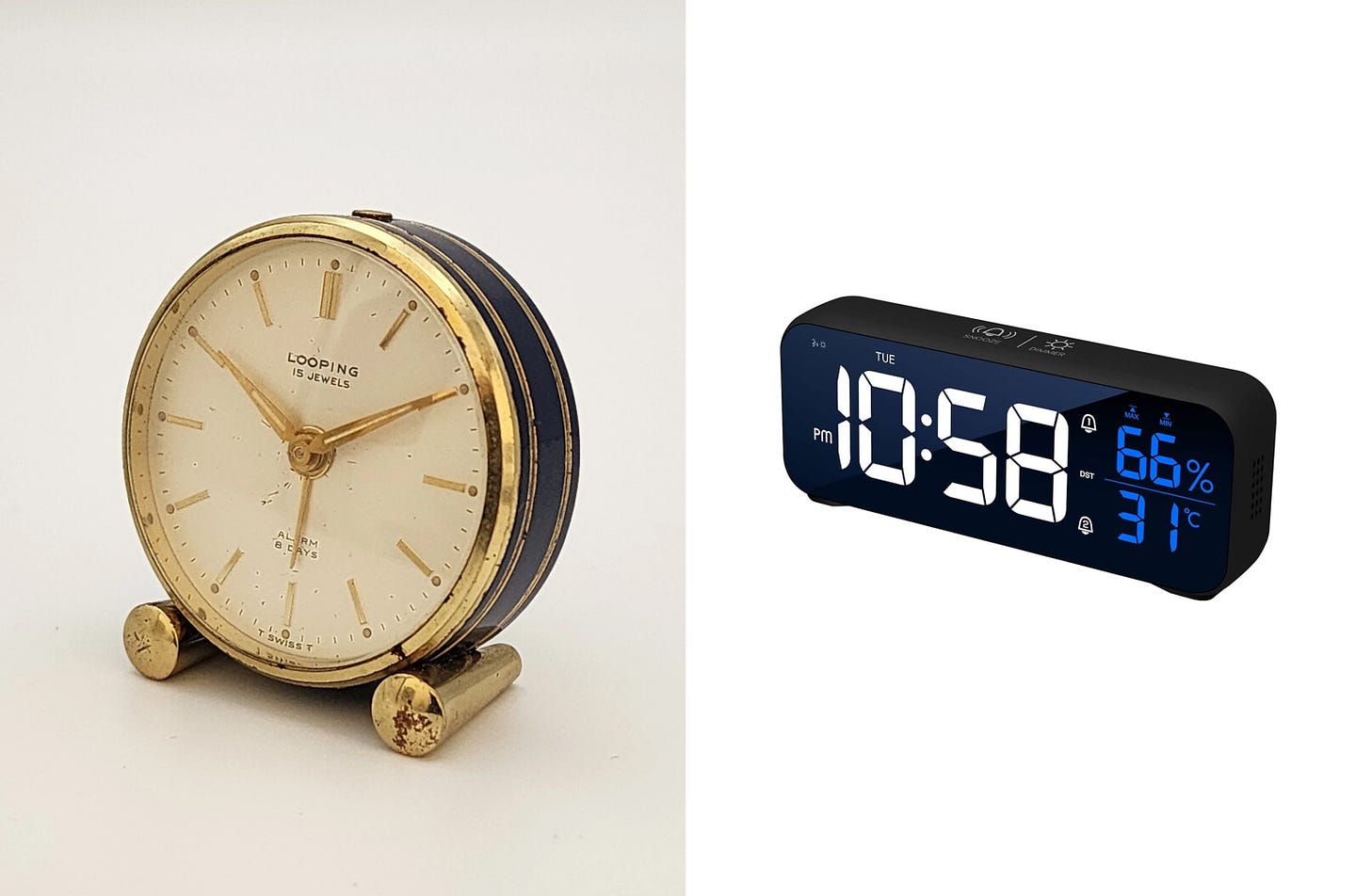
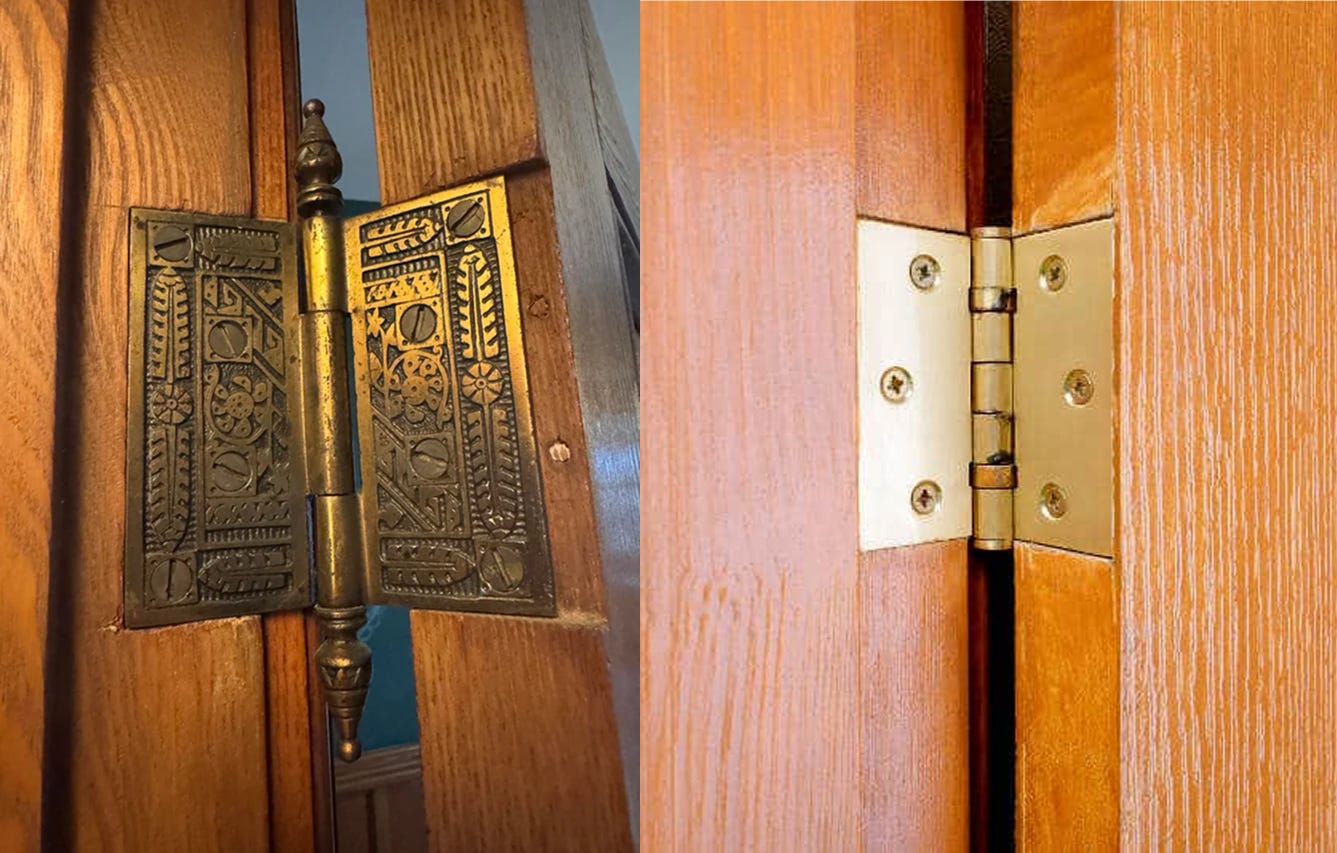
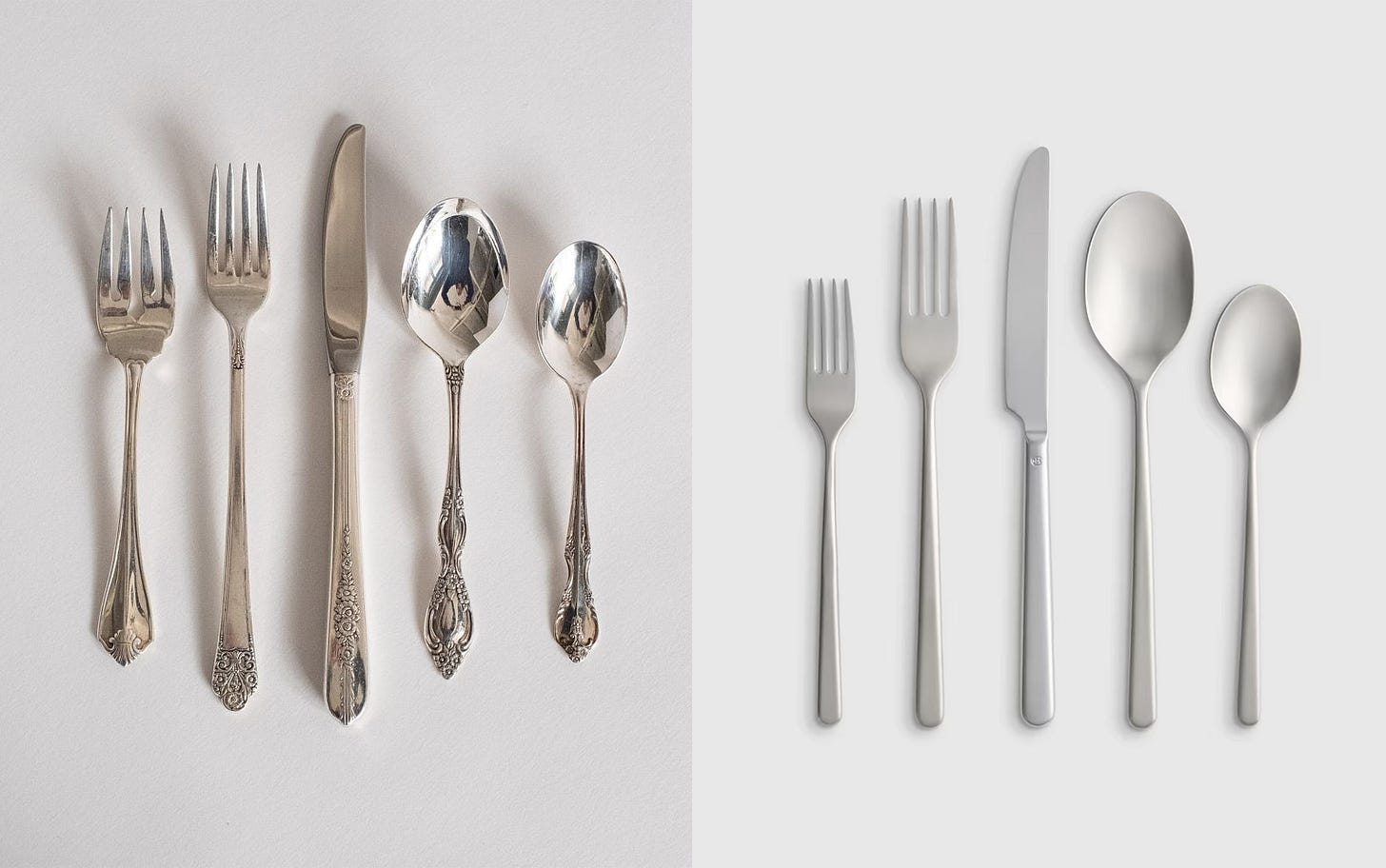
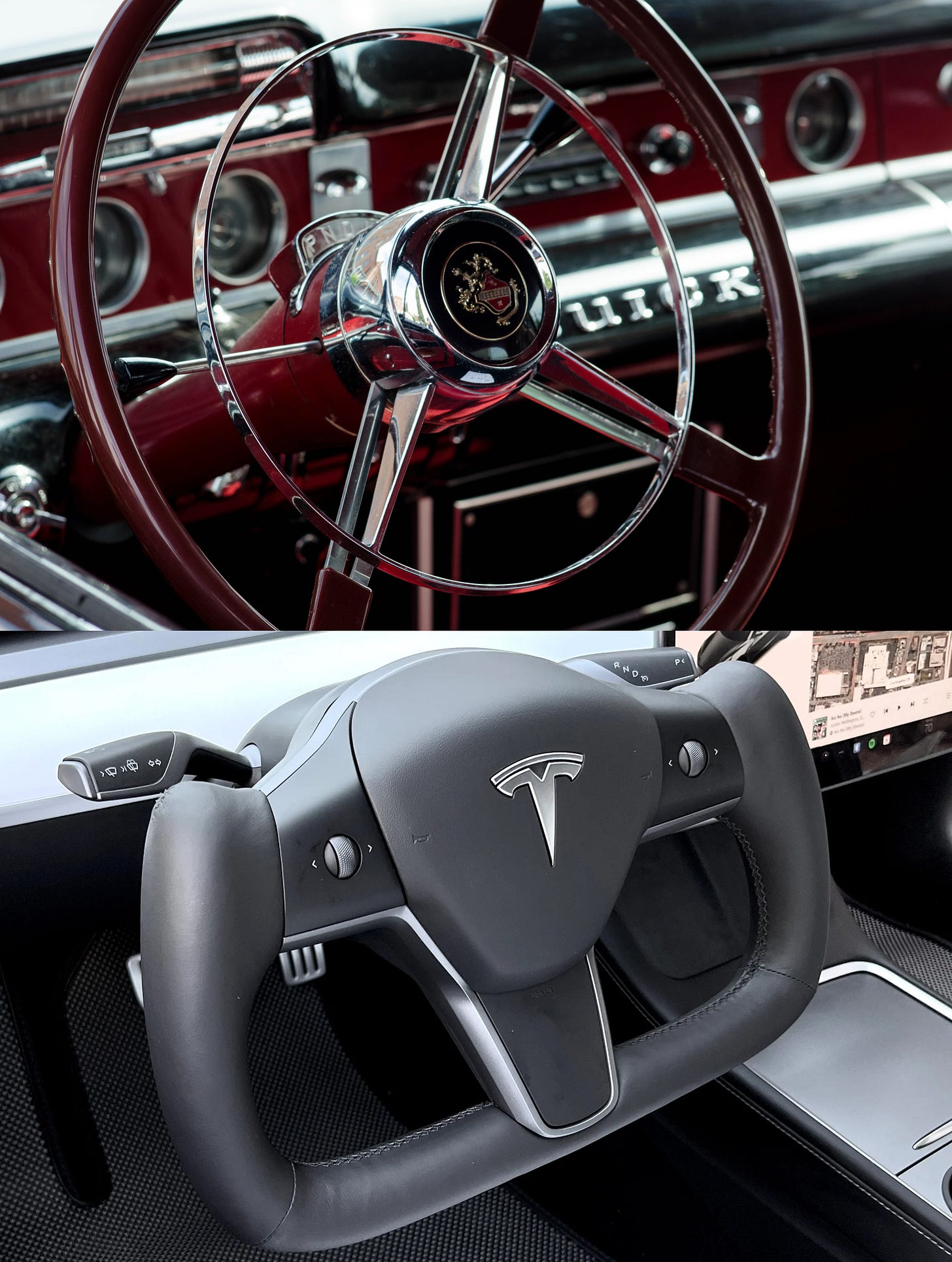
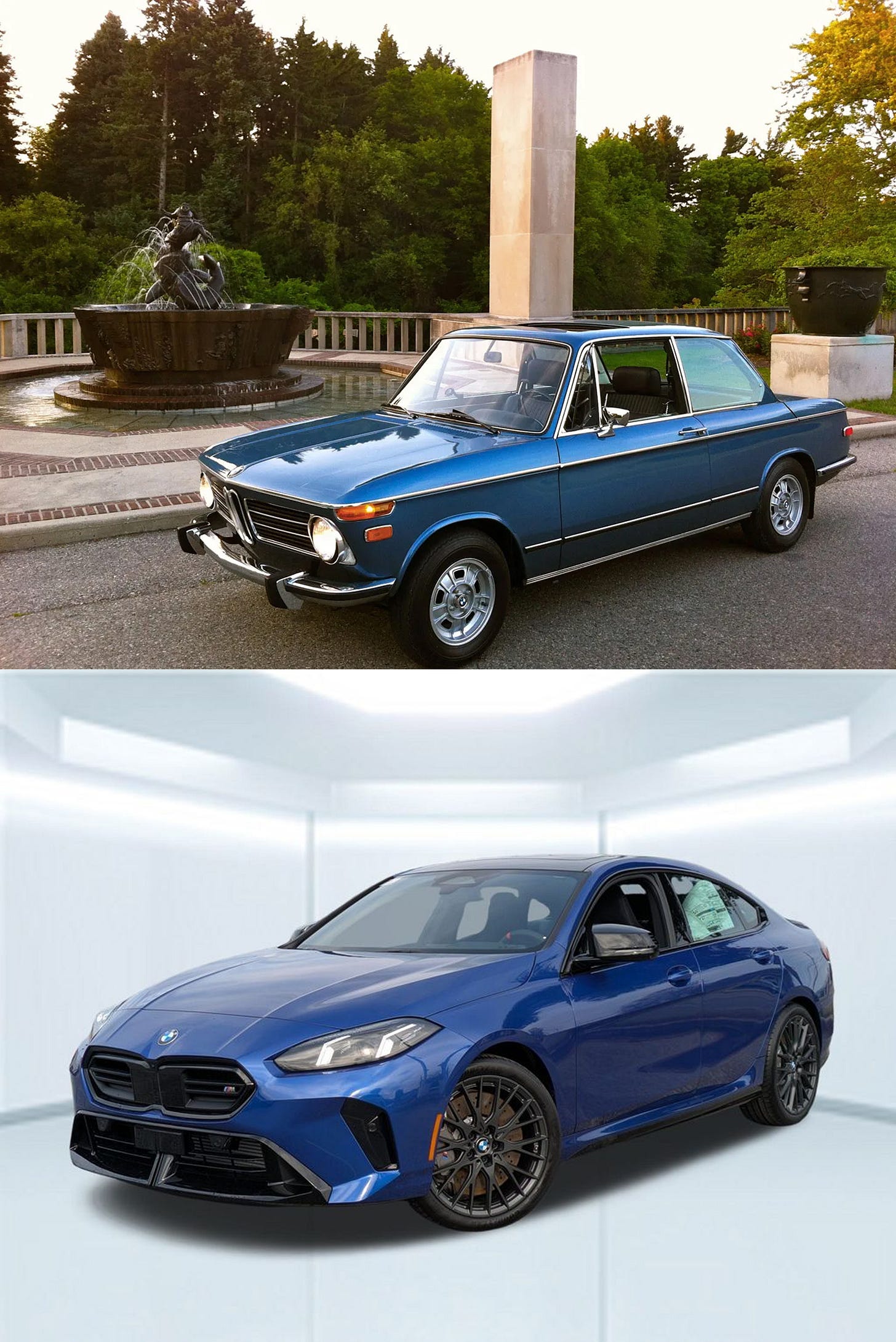
You could argue beautiful design just isn’t practical anymore. That we’ve advanced beyond painstakingly made furniture, clunky cars and overly ornamental objects of the past, which has made them more efficient and accessible, even sometimes more functional. Which is partly true.
But even many Tiffany glass pieces were made in factories. Even Eames chairs were mass produced. The beautiful pressed tin ceilings you see in old New York apartments and restaurants? Machine made. Beauty can still be accomplished efficiently.
“A man should hear a little music, read a little poetry, and see a fine picture every day of his life, in order that worldly cares may not obliterate the sense of the beautiful which God has implanted in the human soul.”
- Johann Wolfgang von Goethe
It’s actually wild in New York how often you find gorgeous bricks hidden behind drywall. Or beautiful marble covered in laminate. Or incredible wood floors painted over. It’s hard proof of a world actively dismissing and even suppressing beauty.
Taste and trends change. And that’s fine. The mix of old and new in York is part of its charm, it’s what makes our skyline so distinct. But I can easily see, fast forwarding to the future, that skyline changing as we sink deeper and deeper into this age of efficiency. Old buildings in disrepair. Cheap high-rises taking over. All the quirk and detail and signs of humanity slowly disappearing as we become more accustomed to our bare minimum “that’ll do the job” age.
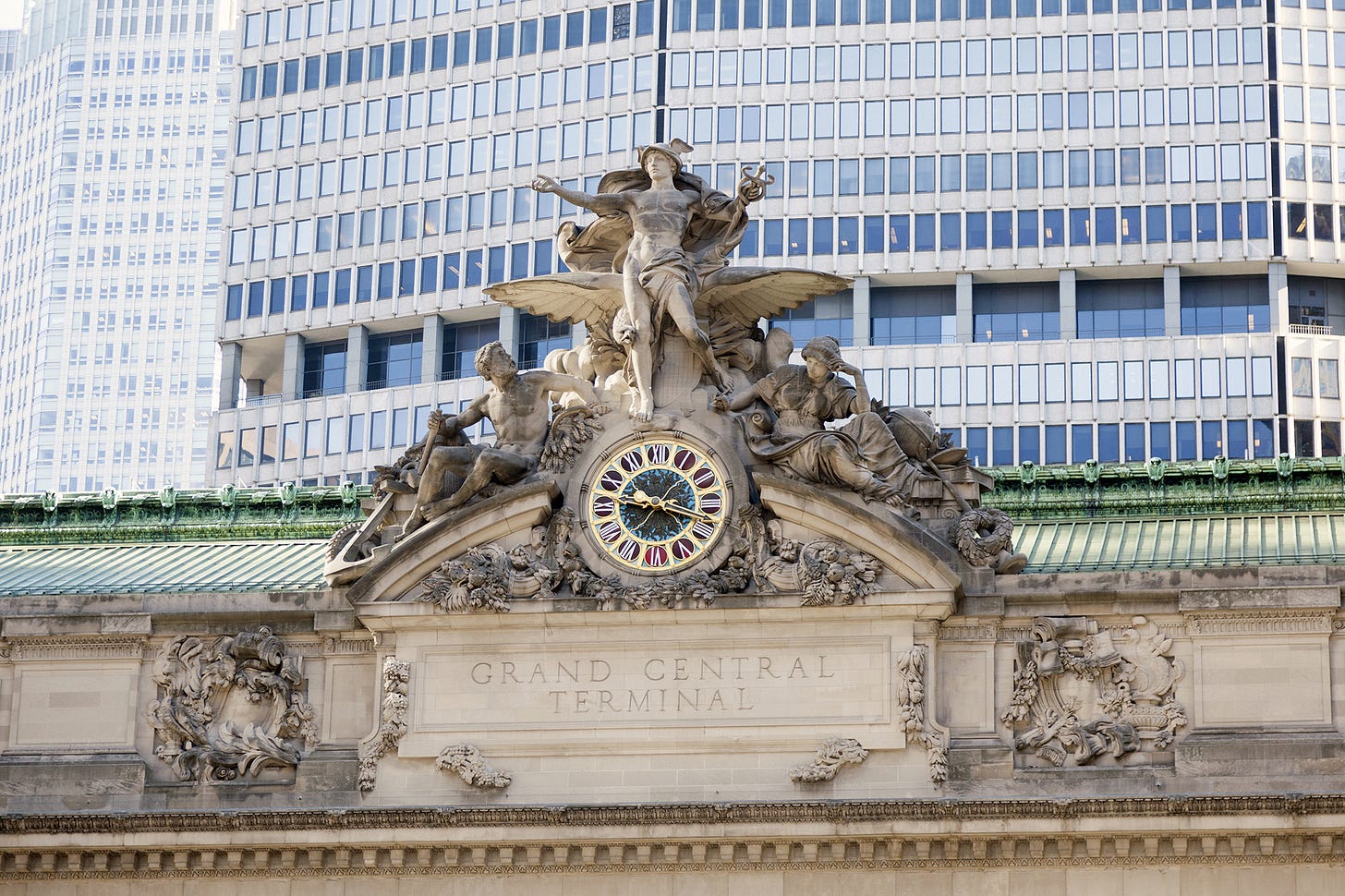
How do we stop forsaking beauty in a world that’s moving this fast? How do lovingly created designs still get made when we’re constantly celebrating smaller, sleeker, simpler, lighter, edgier, cheaper? How do we bring back beauty if only for the sake of beauty? Because looking around today, I’d say we desperately need it.
–
P.S. If you’re interested in going deeper into this, I recommend this video with Alain de Botton, which approaches the subject mostly in terms of architecture, and also addresses the question of whether this is a political “right vs. left” conversation as some like to debate. This video “How did the world get so ugly” is wonderful too.
P.S.S. Proud to say one of our design principles from the beginning of mymind has been “beauty is a function.” So far, it’s working well for us (:
Thanks for reading The Mind Palace! Subscribe for free to receive new posts and support my work.
Subscribe